Showing posts with label Articles. Show all posts

Tuesday, July 3, 2018

Why Ipoh, Malaysia, Should Be On Your Travel Radar


In the middle of the 1900s, the northwestern Malaysian town of Ipoh was the world’s largest producer of tin and its booming success showed.
Informally described by locals as the “town that tin built,” Ipoh grew from a sleepy village in the valley of the Kinta River to a hotbed of cabarets, night life and conspicuous consumption, a city fueled by the fortunes of the Chinese-mining towkays (bosses). But the collapse of tin prices in the 1980s curbed the city’s rise and soon Ipoh faded, existing primarily as a pleasant place to retire (the surrounding limestone karst mountains are beautiful and the resulting hard water is claimed to make food taste better), or as an eating stop for travelers shuttling between the mountain region of Cameron Highlands to the east and the island of Penang to the northwest.


But Ipoh, Malaysia’s third most populous city, and one largely unknown outside of Southeast Asia, is staging a comeback to become the country’s hippest destination. The city’s fortunes began to improve in 2004 when the water theme park Lost World of Tambun opened, backed by the Malaysian conglomerate Sunway Group (its founder and chairman Jeffrey Cheah Fook Ling was born close to Ipoh). More recently, in 2014, the Lithuanian artist Ernest Zacharevic, as he had done in Penang’s Georgetown, placed his imprimatur on the city by beautifying old buildings with a series of murals. But perhaps the greatest change — one propelled by homegrown talent — has been the boom in hip cafes over the last few years.

Ipoh, now, is roaring back in style.
The city, the capital of Perak state, has a core that is relatively compact, with roads largely plotted in a grid system — planners redrafted the town after parts of it were destroyed in a sweeping fire in 1892 — so it’s easily walkable. (Be prepared to sweat; year-round daytime temperatures hover around a humid 90 degrees). It also has a number of pretty shop-house and heritage buildings around the Old Town, like the Railway Museum playfully referred to by the British during the colonial era as the Taj Mahal of Ipoh.

The catalyst for Ipoh’s new tilt was arguably the Sekeping Kong Henghotel. Opened six years ago, it took the peeling bones of a hostel once used by performers at a Cantonese opera and updated the interiors with glass and steel; the effect is remarkable, modern and yet artfully dilapidated, a sensitive reimagining of a storied, decrepit space. The hotel opened on Kong Heng Square in the city’s Old Town, and was soon followed by other newcomers nearby, such as the cafe Burps & Giggles. Offering a simple menu of bar food — burgers, pizza, fish and chips — its most appealing aspect is the almost hallucinatory interior, with junk furniture, mismatched furnishings, haphazardly cobbled-together lamps and the centerpiece mural of a woman with curly red hair who seems lost in thought. It was a novel concept for a town more famous for bare-bones restaurants serving food like ayam tauge (cold chicken with beansprouts) and nasi kandar, a rice with honeyed chicken and curry sauce, locally known as nasi ganja for its addictive qualities and ability to put the diner to sleep.>>


Other businesses followed. Patisserie BoutiQue opened on the street called Jalan Sultan Yussuf with a menu of salads, soups, sandwiches, pasta and excellent desserts (the tiramisù has dense mascarpone and a strong kick of Baileys Irish Cream), and an interior with whitewashed exposed brick walls, white subway tiles, poured concrete floors and a soundtrack of old French songs.

Around the corner, Plan B is a contemporary restaurant with a high ceiling, giant windows and tile floors. The menu is international but pays homage to Malay ingredients; the spaghetti agli olio features bunga kantan (torch ginger flower)the pungent, floral plant used in the Southeast Asian dishes rojak and laksa, lending the Italian classic an Asian flavor profile.
Cafes continue to open in the town’s colonnaded shophouses, tucked between established businesses like silk shops, watch repairers and travel agents.
Chokodok (Malay for banana fritter) has accommodations above its intriguing, tumbledown, reggae-themed restaurant. Opened by two brothers who had spent some time in the islands off the coast of Peninsular Malaysia, it has tree trunks as decorations, the flotsam and jetsam of a beach shack, and music that’s consistently reggae. A former orphanage on the eastern fringe of central Ipoh transformed into Thumbs Café, an eclectically furnished restaurant specializing in Malay dishes.
M Boutique, a hotel that mixes the rustic, industrial and whimsical, became the city’s most high-style property in an area rife with used-car showrooms. When it opened “this concept was not available here,” said Joey Chong, a sales executive for the hotel. “Lots of youngsters come from Kuala Lumpur [two hours away by car or train] for the cafe hopping. It’s much easier to get around here than in K.L.”


But the trend isn’t confined to central Ipoh. A number of cool joints have sprung up in Ipoh Gardens East, a commercial and residential area near the Aeon Mall. Tea Coffee Game opened among a drab row of businesses and office buildings. It has bright interiors, Ikea furniture, and there’s a utilitarian feel to it, but its conceit is the games found throughout — traditional board games like checkers and ludo as well as a video console.

“We have games to make the place different, to help people revisit their childhood, bring them good memories for when the food is served,” Chung Kok Heung, a science lecturer at a local university and a co-owner, told me one evening. “A few years ago most youngsters here moved to other countries, but now people are coming back because they like the food, the environment, the slower lifestyle.”

Its menu, as I found often in this new breed of restaurants, focuses on Western food and includes a pretty salad served in a Mason jar, full of crisp green and purple cabbage, peppers, carrots, cherry tomatoes, and served with smooth sesame dressing. A big draw here is the all-day breakfast, with up to seven items like bacon, grilled tomatoes, eggs and hash browns, costing only 19 Malaysian ringgits (about $5). Nearby, Zakka Loft has colorful curtains; a sky mural with the words “Do You Have a Dream?”; a wall unit full of knitted soft toys (it offers workshops on how to make them); and fabulous iced fruit drinks.
These places are free from hipster posturing and have an easygoing ambiance.
Of all the cafes and restaurants I visited, one stood out. Classically trained chef Sam Lau left Ipoh in his early 20s to work in kitchens around Asia and Europe, returning to his hometown after 16 years. “I came back to my country and couldn’t find good bread,” he lamented. Thus began a mission; for two years he sold bread from his bicycle outside the restaurant Plan B.
In December 2016 he opened Artisan Handmade Bread in an old shop-house near Kong Heng Square, where he works in a small open kitchen behind the bread counter. “I am up at 3 a.m. every day, baking bread, running the kitchen. Ipoh people are old-fashioned, they like value for money.” The excellent food is a steal — the set-lunch menu (he closes for the day at 4 p.m.) includes soup, a main dish, an amuse bouche, dessert and lemon iced tea, for 28 ringgits.


Despite his background and training, Mr. Lau avoided opening a formal-dining restaurant. “The young generation doesn’t want fine dining. It wants good food and casual. I want to provide good honest food cooked right in front of you, bistronomy style. And I also want to educate locals on what goes into commercial bread and artisan bread.” His bread is outstanding, fibrous and supple, and justly anchors the menu — generous chunks served with the mixed vegetable soups, thick slices bookending the grilled sandwiches.
“Lots of youngsters leave here to come back, they want to share what they learned from overseas and show something new to Ipoh,” Mr. Lau said.
Ipoh is all the richer for it.


Tuesday, June 19, 2018

Leadership To Internship

During internship, one must possess the willingness to learn and adapt to a different situation.  Feedback given by the team or supervisors are meant to improve your skills and help you to see other perspectives. Feedback should not be seen as a ‘personal attack’ to your ability, or an offense to you.

In the past, the following attributes prevented certain interns ( especially those who have limited working experience and from foreign cultures) from learning or maximizing their time to gain more knowledge:


  • My country is more developed than yours, I know what is best for your organization.
  • This is how we do this task in my country/my university, I am unwilling to amend my task with your feedback.
  • Your perspective and mine are different, I insist on doing this task my way. I won’t amend my task even though it is going to be used by your organization. Take it or leave it.
  • Why should I follow your organization’s policy and procedures? I do what I want and how I want to do it.
  • I have a higher degree/more experience in this field than you, why should I listen to you?
  • I am not a follower, I do it my way, I don’t listen to feedback.
  • Why should I explain to you about my actions? I am me  -- I demand freedom of speech, so my office and homestay behaviors are none of your business.
  • Your other intern didn’t know how to do this task. I have done it very well for your organization. If you don’t like it, (foul words)!
  • I won’t transfer the tasks ( such as videos on own channels, document on own google doc space) I have done during internship to your organization. It is my intellectual property, why should I follow office policy to transfer the ownership to your organization?

 
Interns who are relegated the responsibility to be team leader must read the article below to gain more perspective about leadership. Learn to manage diverse groups of people from different background, interests and with different levels of cooperation.


Sunday, June 10, 2018

Ipoh And Johor Bahru Listed In Travel Survey's Top 10 Destinations For Local Food

A survey has revealed that six out of ten people pick their travel destinations based on the reputation of its local cuisine, with Malaysia, Taiwan, Japan, and Brazil topping the list of places to discover great food and drink


In a survey by Dutch e-commerce travel website Booking.com, 61% out of over 75,000 travellers from all over the world say they pick travel destinations for its great food and drink.


Citing Southeast Asia as the best region to try local cuisine, Booking.com named two places in Malaysia in its list of Top 10 destinations to taste local food - Ipoh, Perak and Johor Bahru
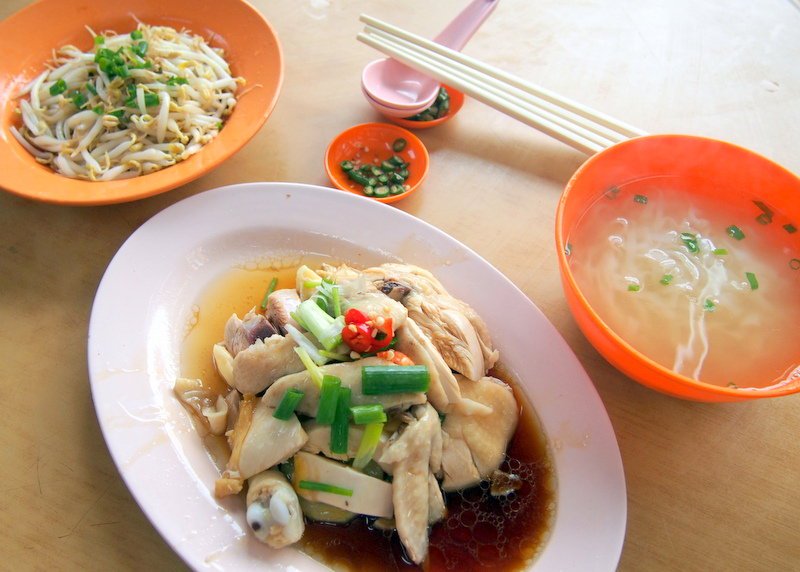
  • Ipoh 'taugeh chicken' with 'hor fun'.
    The full list of Top Destinations for Tasting Local Food:

    1. Ipoh, Malaysia2. Kaohsiung, Taiwan
    2. Kaohsiung, Taiwan
    3. Nagoya, Japan
    4. Johor Bahru, Malaysia5. João Pessoa, Brazil
    6. Ho Chi Minh City, Vietnam
    7. Sarajevo, Bosnia and Herzegovina
    8. Colmar, France
    9. Lima, Peru
    10. Catania, Italy

    Yep, Penang and Sarawak didn't make the list. #triggered
        • Shoon Huat Bak Kut Teh in Johor Bahru.
  • Strangely enough, no Malaysian locations were named in the site's list of Top Five destinations for street food and food trucks

      • The list of Top Destinations for Street Food include:

        1. Jeonju, South Korea
        2. Hsinchu City, Taiwan
        3. Marrakech, Morocco
        4. New York City, USA
        5. Mexico City, Mexico

        Meanwhile, these are the locations listed for Top Destinations for Food Trucks

        1. Portland, USA
        2. Sao Paulo, Brazil
        3. Seoul, South Korea
        4. Bangkok, Thailand
        5. Istanbul, Turkey
      • The survey, which was conducted in August and October last year, collected responses from 75,236 respondents from all over the world
The survey was independently conducted among sample adults from 30 countries, including Australia, China, Hong Kong, Japan, South Korea, Malaysia, Singapore, Thailand, UK, and US. 

Wednesday, July 5, 2017

Death Rates On Malaysian Roads Is 3rd Highest Globally, More Than China And India


  • Source: Says.com
  • Malaysia has been ranked as one of the top three countries in the world with the deadliest roads

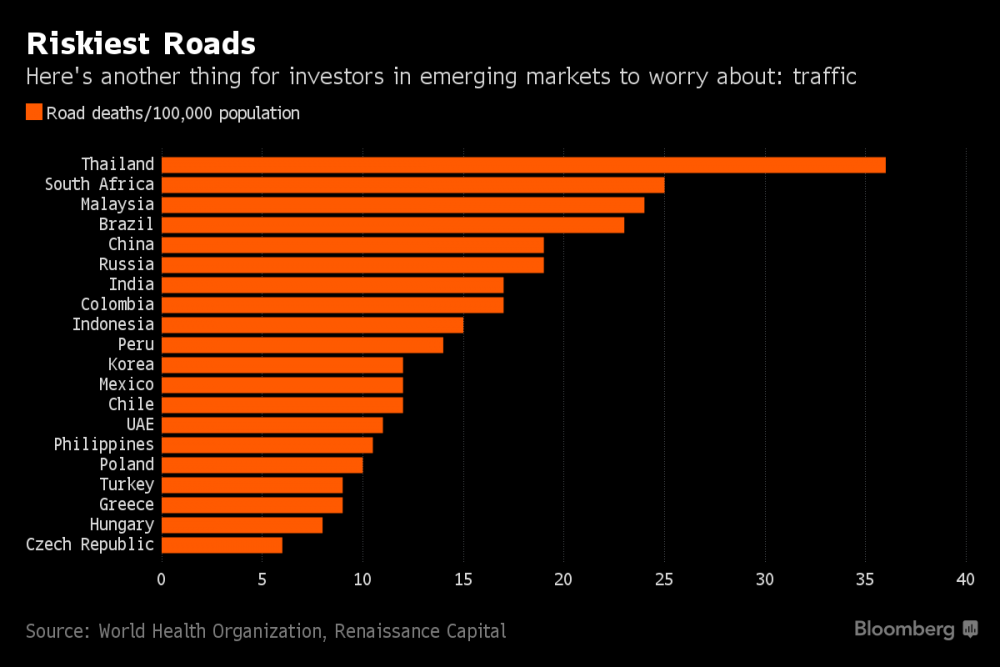
    • A report by Bloomberg on 20 June cited statistics from World Health Organisation (WHO) for 2013, stating that Malaysia is among the emerging countries with the riskiest roads after Thailand and South Africa.

      Thailand made it to the top of the list with a death rate of 36.2 per 100,000 population. The other two countries in the Southeast Asia region into the top 20 list, namely Indonesia and the Philippines, registered a 15 and 11 death rate respectively.

      "Road users in low- and middle-income countries are more than twice as likely to die in a traffic accident than their counterparts in developed nations," read the report.
       says.com
  • For a nation that is aspiring to become a developed country, Malaysia should look towards decreasing its traffic-related death rate

    • According to the data, Malaysia registered a death rate of about 23 per 100,000 population. Based on this statistic against the estimated population of 30 million Malaysians, about 7,000 to 8,000 people in the country die on the roads every year.

      The fatality rate on Malaysian roads is still considered to be very high and it should be improved because it is very close to average rate among low-income nations.

      Bloomberg reported that the average for developed nations is 9.3, while the rate for low-income and middle-income countries are 24.1 and 18.4 respectively.
       says.com
  • A quick check on the report by Bloomberg shows that it is also consistent with the data presented by the Transport Ministry earlier this year

    • Transport Minister Datuk Seri Liow Tiong Lai revealed in January that a total of 7,152 people died in road accidents in Malaysia in the year 2016. This was an increase from the total of 6,706 deaths that was recorded in the year 2015.

      Liow also said that most of the deaths (62.7%) involved motorcyclists.

      "A total of 80.6% of the road accidents are caused by human error," he added.

      He was citing a research by the Malaysian Institute Road Safety Research (MIROS) that shows that the main reason accidents happened was attributed to people driving recklessly or ignoring traffic rules, instead of road and vehicle conditions.
       says.com
  • Meanwhile, the Road Transport Department (JPJ) has set up a hotline for the public to report any errant drivers for breaking traffic rules, especially during this festive season

    • Reports can be made by sending a WhatsApp message to JPJ (+6011-5111 5252)so that the authorities can act accordingly.

      Members of the public should include as many details as they can in the report, such the location, time, and the offences committed. They should also include a picture that depicts the alleged offence if possible.

      "Once we receive the message, we will alert our men on the ground and immediate action will be taken," said JPJ director of enforcement Datuk V. Valluvan, as reported by NST.

Saturday, June 17, 2017

12 Malaysian Food Brands You Didn't Know Were Huge Overseas

Source: Says.com June 2016


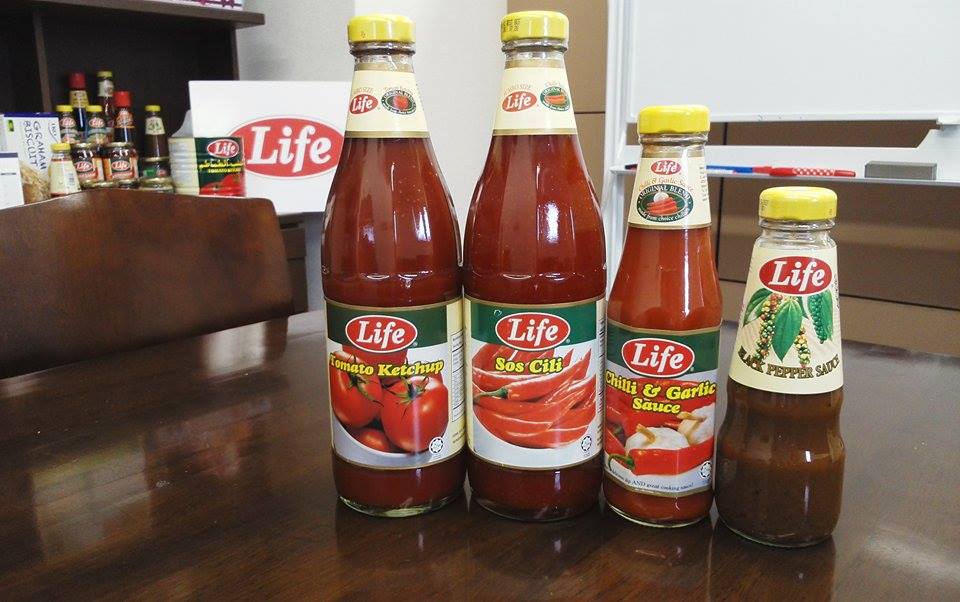
1. Life sauces is Malaysia's largest sauce brand and they produce 26 million sauce bottles a year

    • The largest sauce brand in Malaysia, Life Sauces are exported into the US, UK, France, Australia, New Zealand, Japan, Hong Kong, Mauritius, Maldives, the Middle East, Brunei and Singapore since it was established in 1978.

      It comes under Region Food Industries (RFI), the parent company of the Life brand. Life Sauces which first sprouted from a humble factory in Port Klang in 2004 is now producing 26 million sauce bottles a year.

      Besides the basic sauces like chilli and tomato ketchup, they've also come up with special pastes and oriental sauces. Their mini packet sauces are probably the most commonly found used in popular fast food chains like KFC, Pizza Hut, RasaMas, and more!
       says.com
      • 82caImage via Life
        Life sauces displayed in Vietnam.
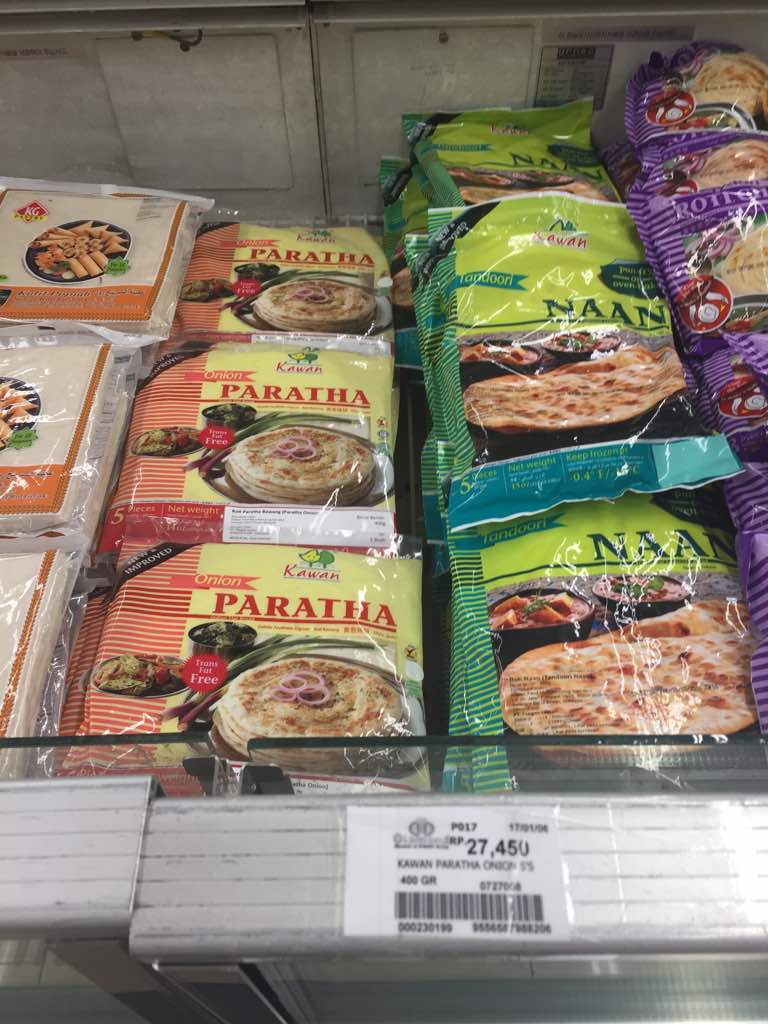
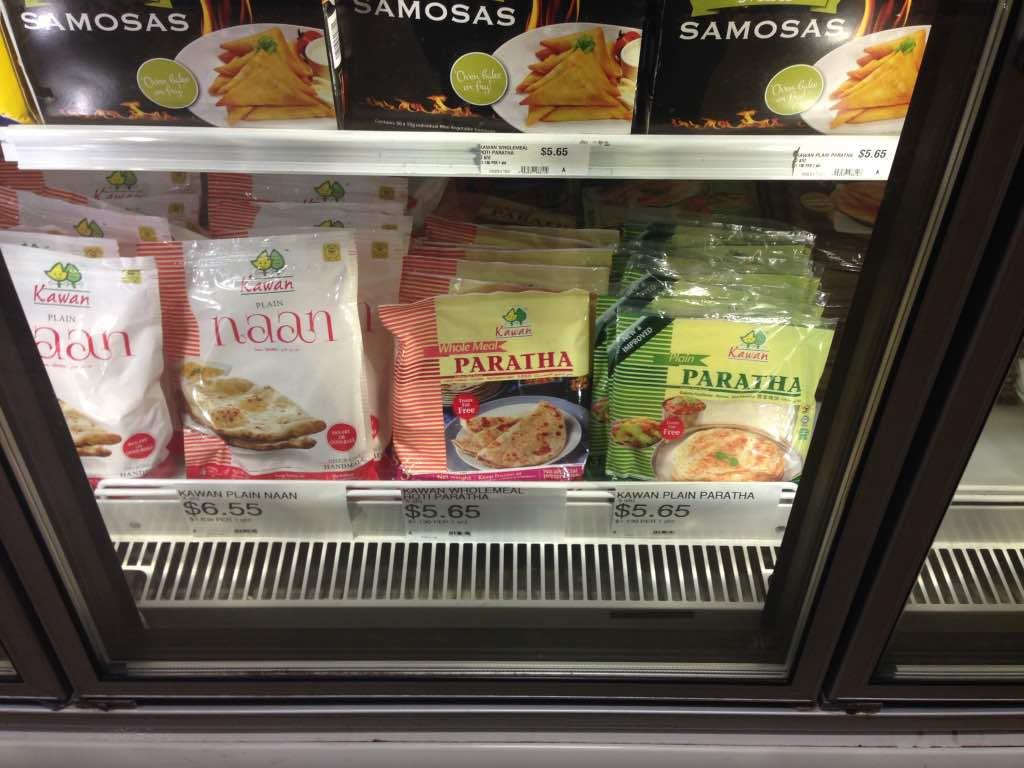
  • 2. Kawan Food Berhad based in Shah Alam is known as the inventor of the world's first frozen paratha

    • Kawan Food, that has been operating for more than 30-years now is most widely known as the creator of the world’s first frozen paratha but they have a huge frozen selection of other traditional Asian food delicacies.

      Based in Shah Alam, Selangor, Kawan Food is Malaysia’s leading exporter and largest manufacturer for food of its kind. So, we're talking flatbreads like naan and paratha, Chinese sweet desserts and pastries, finger food products made from soy protein, to pita and tortilla breads.

      If you're a fan of popiah skins, try some of these cool recipes made from Kawan brand popiah skins here!

      Their products have extended into US, Canada, European, Irish, UK, Middle Eastern, African, Asian and Australasian markets.

      In 2016, Kawan made a net profit of RM 9.17 million in the second quarter of the year on 30 June while reaching up to RM 55.5 million in revenue.
       says.com
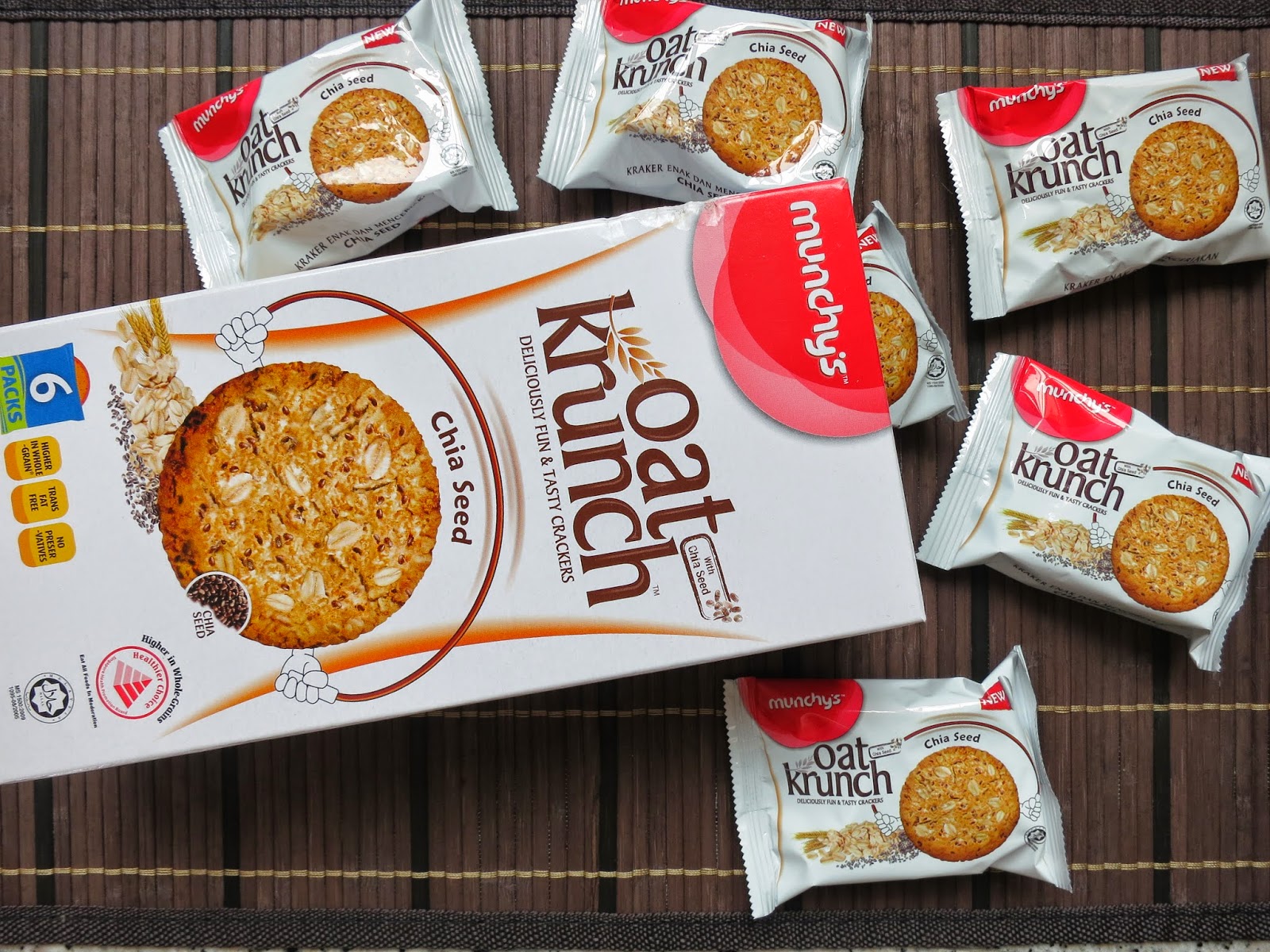
  • 3. Munchy's, Malaysia's leading homegrown biscuit brand has made its way across more than 50 countries

    • This year makes Munchy’s 26th year anniversary, our very own leading homegrown biscuit brand that exports their food products across more than 50 countries. Their headquarters is located in Batu Pahat with several Munchy's local offices are spread out across the country in different cities and states.

      There's a variety of Munchy's products which branch into varying categories, some of which are Munchy's Crackers, Lexus, oat Krunch, Muzic, Captain Munch, Assorted and 7 Days.
       says.com
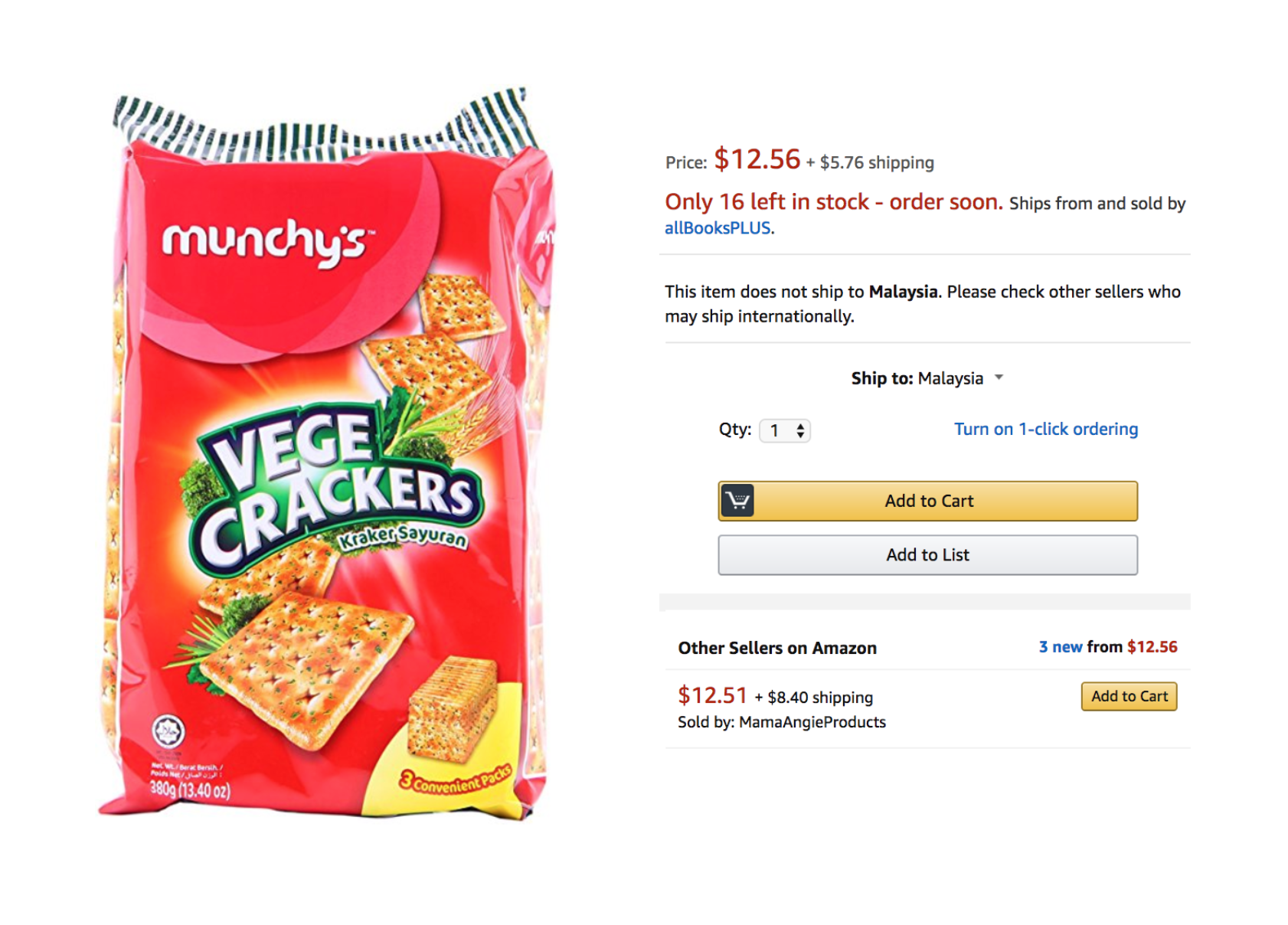
      • E2a9Image via Amazon
        Vege crackers for USD12.56, anyone?
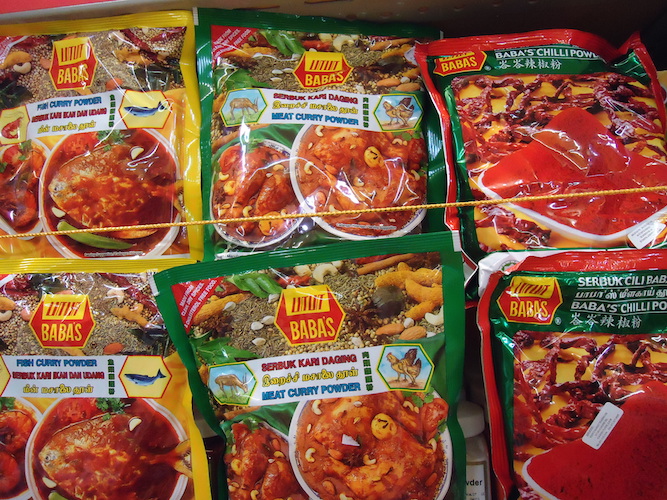
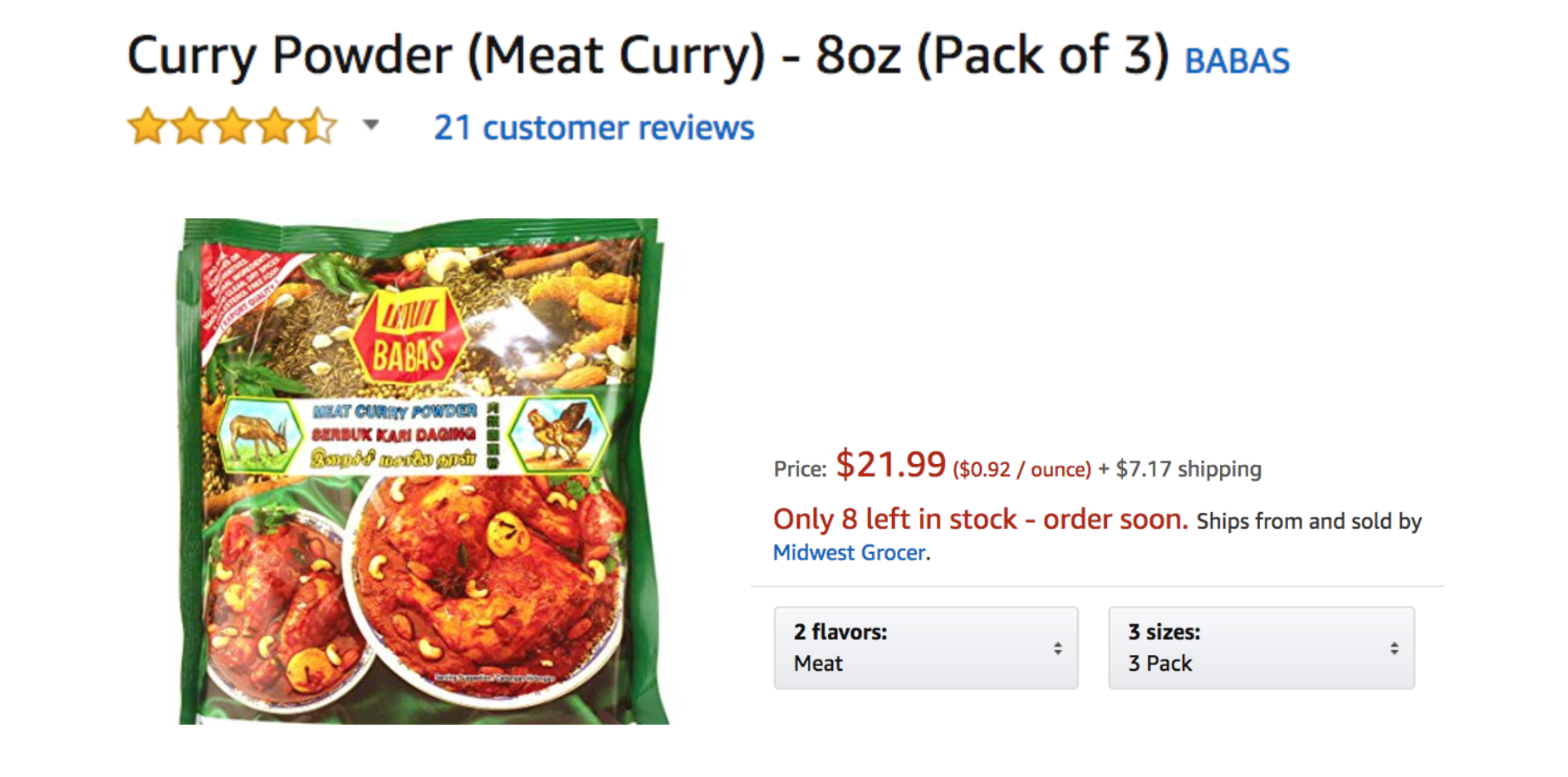
  • 4. Baba's is exported to almost every continent

    • Baba's have a whole selection of premium spices, vegetarian curry powders, flours and other pre-mixes that make cooking easy. A study featured on the Baba's website pinpoints a study describing that on average, at least one of three main meals consumed by Malaysian will have a product from the Baba's range in them.

      BABA's spices have broke into the foreign market for years now and can be found in North America, Canada, Europe, South Africa, Australia, most of Southeast Asia.

      A prime example of humble beginnings, Baba's started in the late 70's as a sundry van business selling spices that caters primarily to local housewives. It was by receiving customers' feedback that helped honed the Babas spice mixes.
       says.com
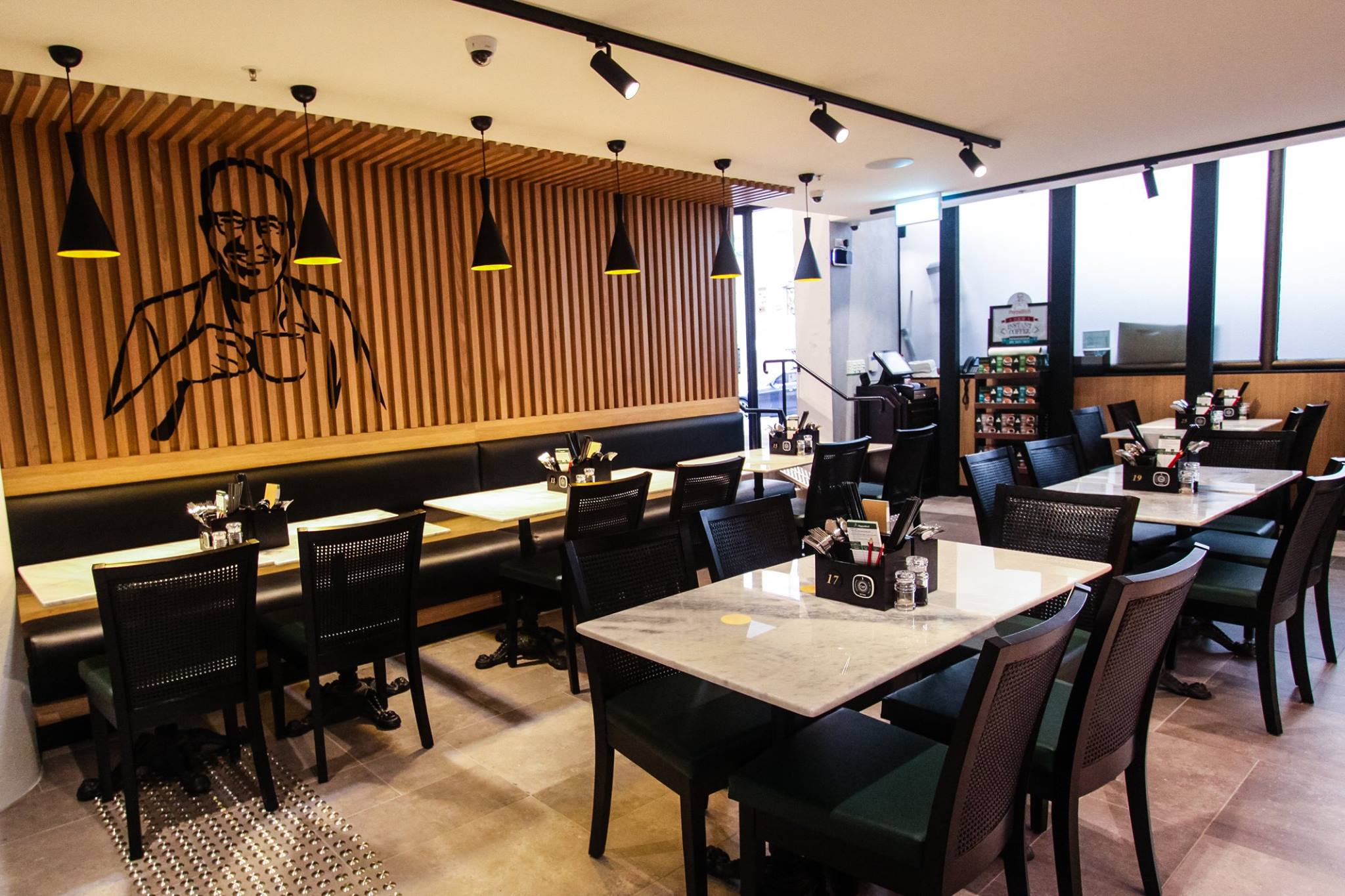
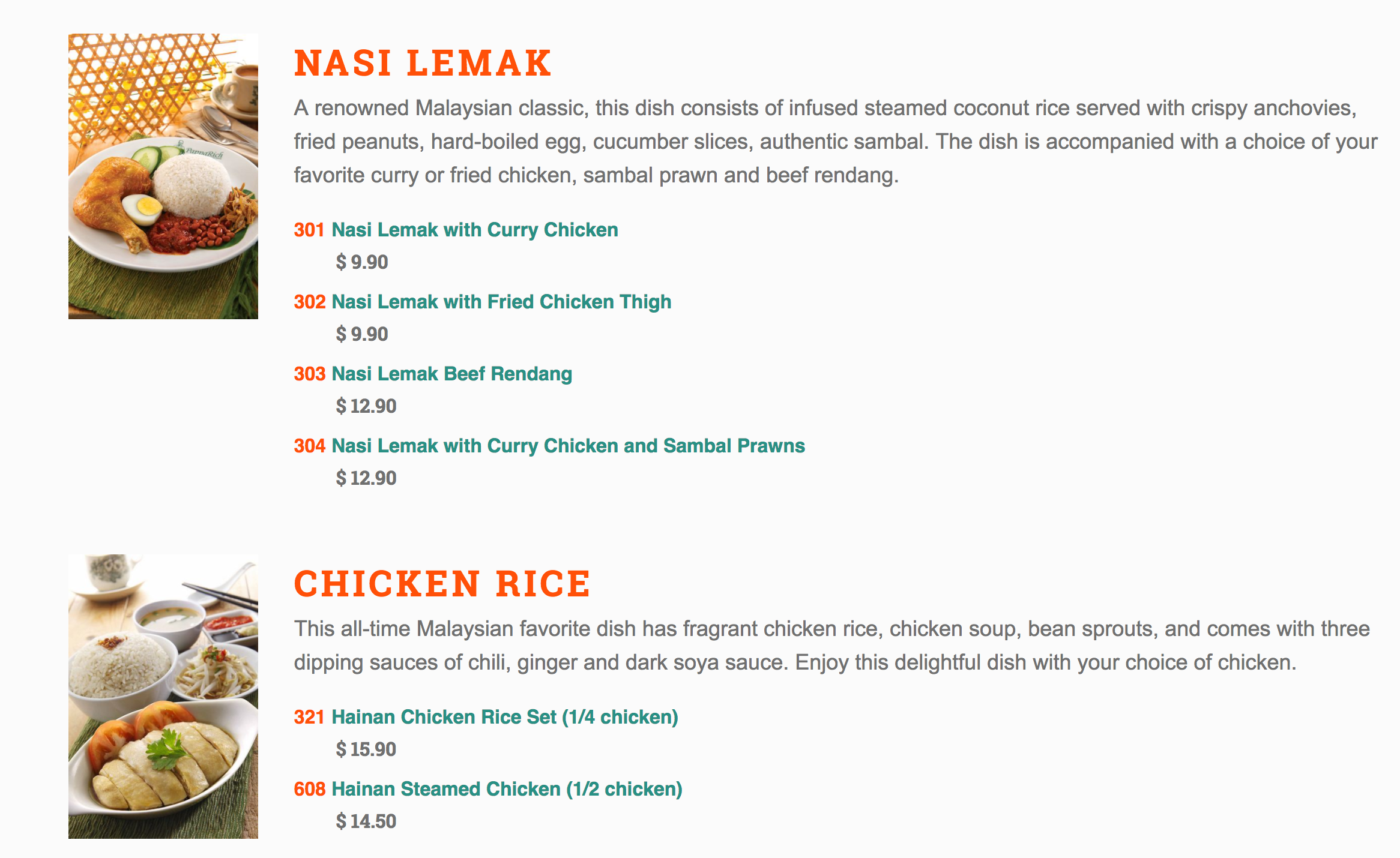
  • 5. PappaRich is the go-to Malaysian restaurant in Australia

    • The PappaRich restaurant promises to showcase the best of Malaysian cuisine all over the world, operating widely across different countries like Australia, Brunei, China, Hong Kong, Indonesia, New Zealand, Singapore, South Korea, Taiwan and the US.

      Other than dining, they're the only white coffee producer in Malaysia that uses Stevia (natural sweetener), the healthier option to have instead of sugar in their instant coffee brand under the same name.
       says.com
      • 7a27Image via PappaRich USA
        Part of the menu for PappaRich's branch in New York.
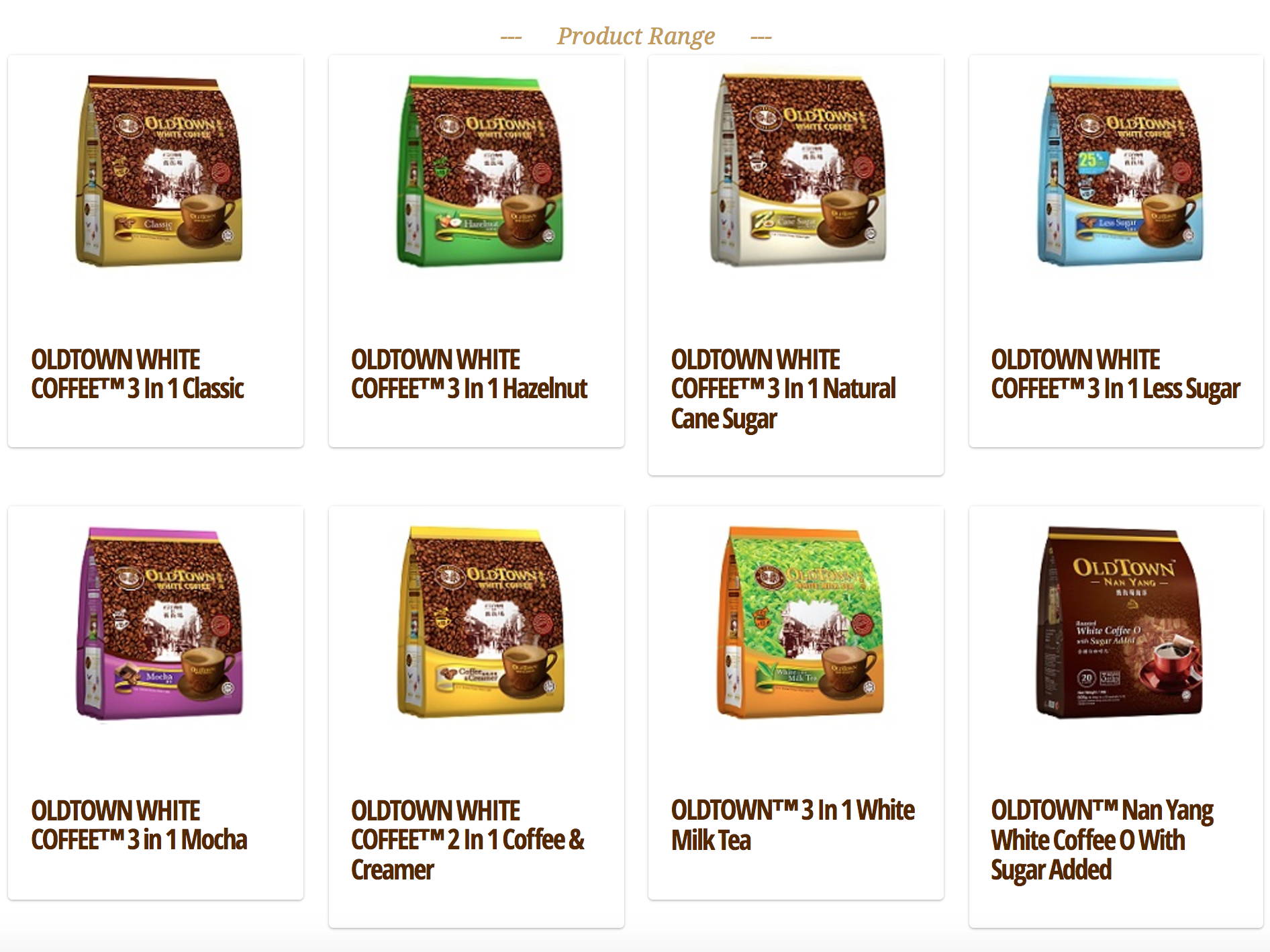
  • 6. OldTown White Coffee distributes their coffee to over 13 countries worldwide

      • 6de5Image via AU Review
        First OldTown White Coffee outlet in Australia in 2015.
    • The brand erupted in 1999 and drew inspiration from Ipoh's special white coffee. Their pre-mixed beverages like coffee, tea, and chocolate are exported into foreign countries and cities such as Singapore, Thailand, Indonesia, Brunei, Phillippines, Taiwan, Hong Kong, Shenzhen, Shanghai, Beijing, UK, Canada, USA, Australia, and New Zealand.

      The total revenue received by OldTown states they've gotten RM 102.89 million while their profit before tax (PBT) was RM 19.79 million after last year's quarter ended 30 June.
       says.com
      • 84a5Image via OldTown
        The range of Old Town coffee selections than are available for export to more than 13 countries.
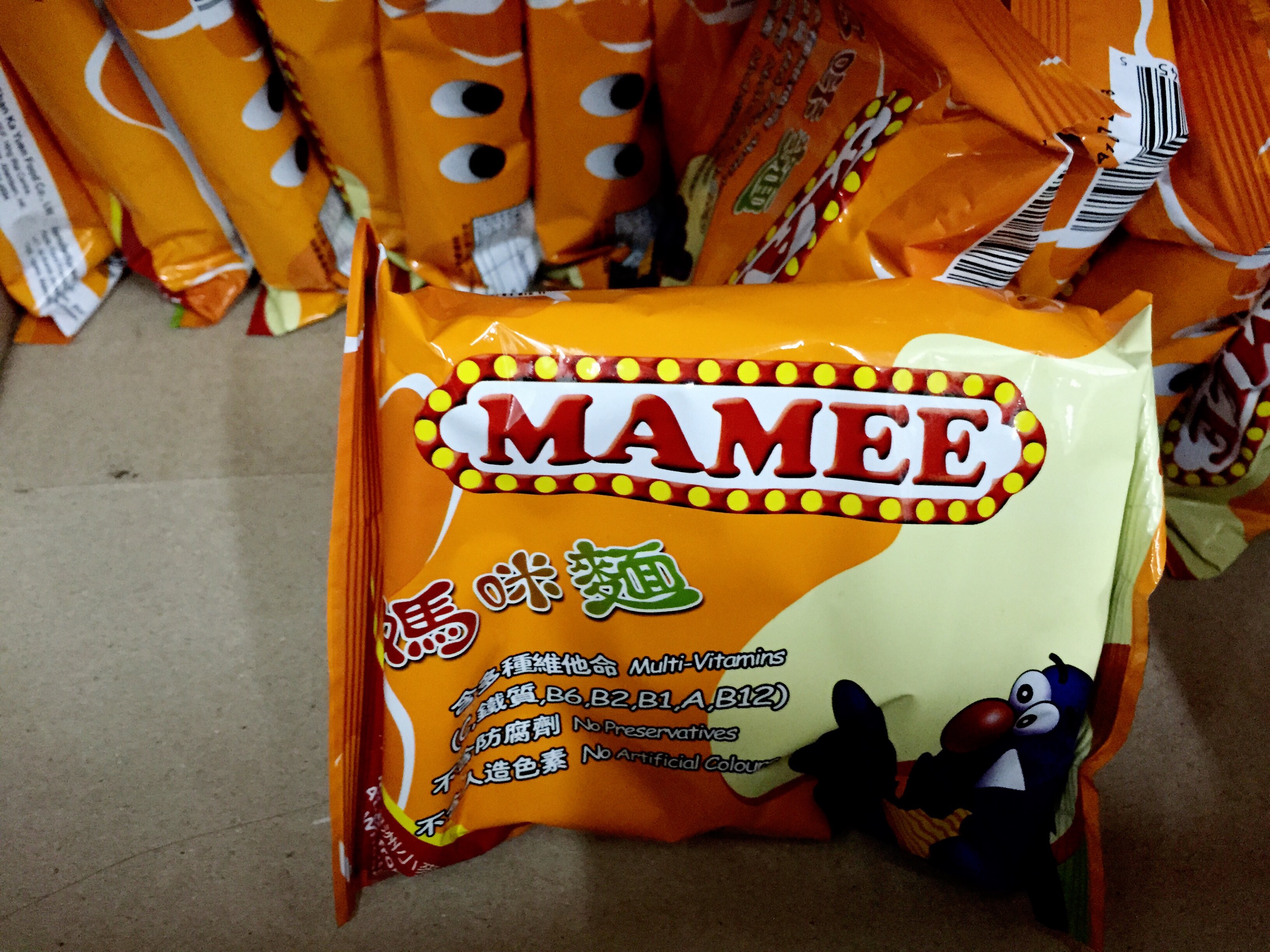
  • 7. Mamee Monster is present in over 80 countries worldwide

      • 15c5Image via The Loop HK
        Mamee noodles found in Hong Kong.
    • It first came about in 1972 and was labelled as a noodle snack and somehow later grouped with instant noodles. But whatever it may be, the Mamee Monster noodle snack will forever be imprinted in our childhoods.

      Though you're wrong if you think it's exclusive to Malaysians as the noodle snack is shared with those from Australia, Angola, Bahrain, Canada, Cuba, Czech Republic, Ethiopia, Fiji Island, France, Hong Kong, Indonesia, Iran, Kuwait, Maldives, Netherlands, New Zealand, Oman, Papua New Guinea, Qatar, Scotland, Singapore, Solomon Island, South Africa, Switzerland, UAE and UK.
       says.com
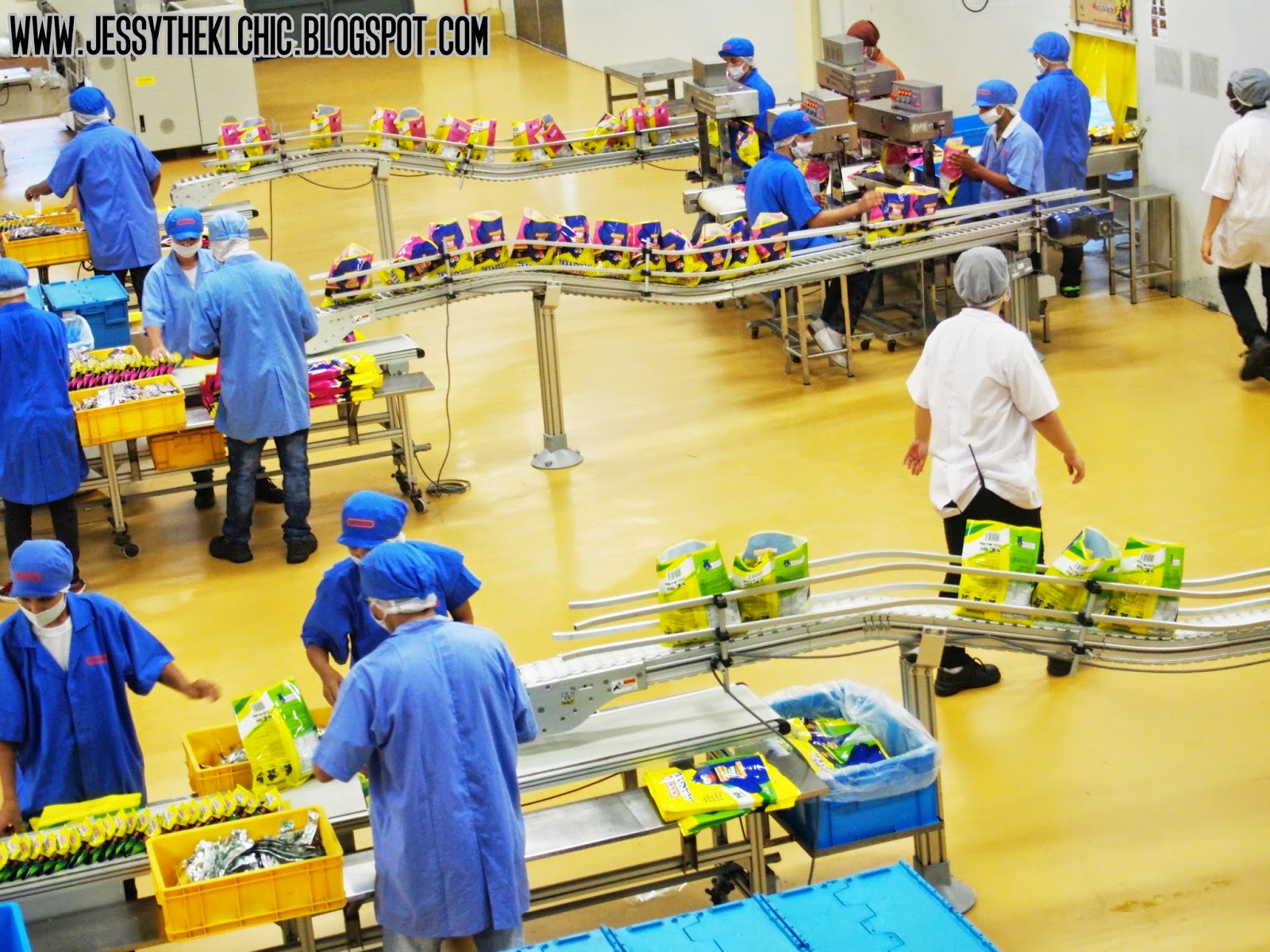
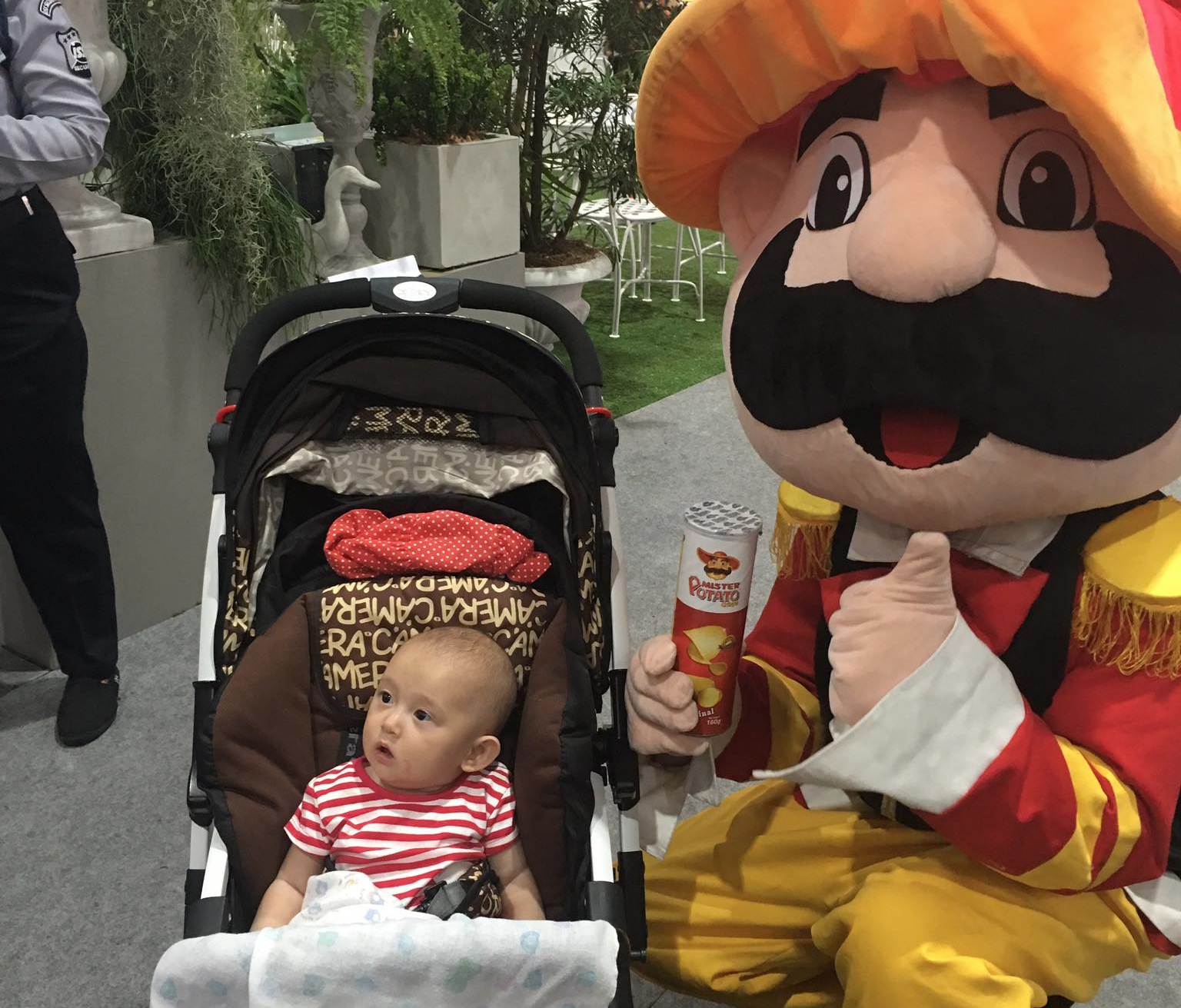
  • 8. Mister Potato formed back in 1992 is available in over 80 countries worldwide

    • Then you have Mister Potato crisps maintain their number one spot for being the best potato chip brand in the country. Mister Potato was formed back in 1992 but have steadily progressed to the point of entering the markets of over 80 countries worldwide.

      The brand's recent additions to potato chip flavours is a great effort for keeping potato chip fans excited.
       says.com
  • 9. Brahim's famous ready-to-use sauces are also found on Amazon

    • Brahims' sauces and pastes offers you the practically of making easy and authentic Asian dishes. With your favourite Malaysian, Thai and Indonesian ready-to-use sauces that are great for adding flavour to your home cooked meals.

      From Thai green curry to Malaysian Masak Merah and Indonesian Rendang, these sauces can be found in South-East Asia, Australia, USA, United Kingdom and Japan. You can even order Brahim's off Amazon where you can get the Thai Green Curry packet for USD4.46 and 'Kuah Rendang' at USD6.
       says.com
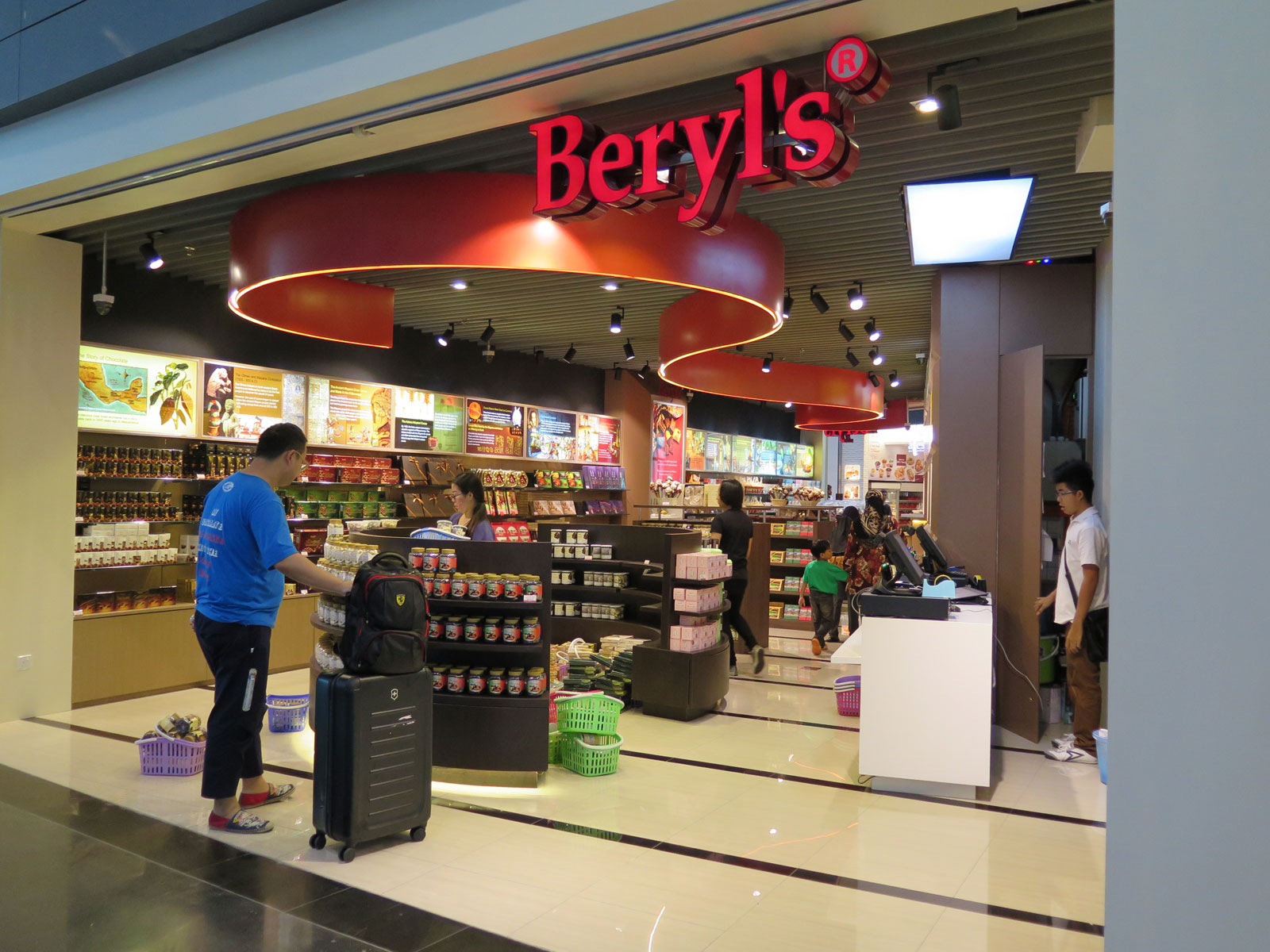
  • 10. Beryl's is distributed across Asia as well as major stores and hypermarkets nationwide

    • Established in 1995, Beryl's markets premium quality chocolates at reasonable prices. It usually comes in pebbles of white, milk and dark chocolate with nut or raisin fillings. However, they also have crunchy Gaufrettes (wafers) and chocolate dusted with tiramisu.

      Beryl's chocolate is exported to Singapore, Macau, Hong Kong, Japan, Philippines, Vietnam and Thailand, and is distributed across major stores and hypermarkets nationwide!

      Their annual estimated sales ranges between USD10 million to USD50 million.
       says.com
  • 11. Secret Recipe have made up to RM 750 million since it began 20 years ago

    • The leading and largest café chain in Malaysia, Secret Recipe has been growing their café into an internationally recognised brand since 1997. Secret Recipe cakes and fusion-style food have arrived at Singapore, Indonesia, Thailand, China, Brunei, Cambodia, Myanmar and Maldives, totalling to more than 300 outlets throughout the region and making RM 750 million in revenue to date.
       says.com
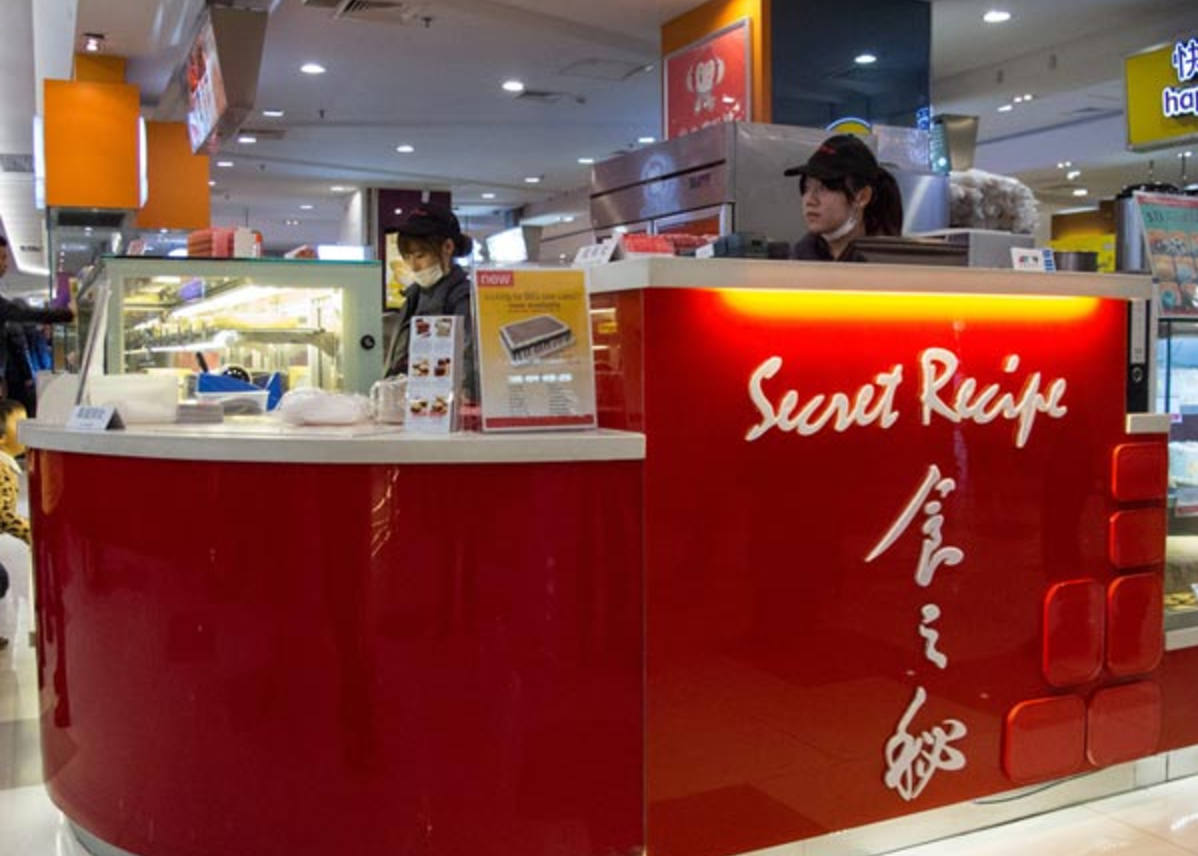
      • 365aImage via China Daily
        Secret Recipe outlet in Shanghai in 2014.
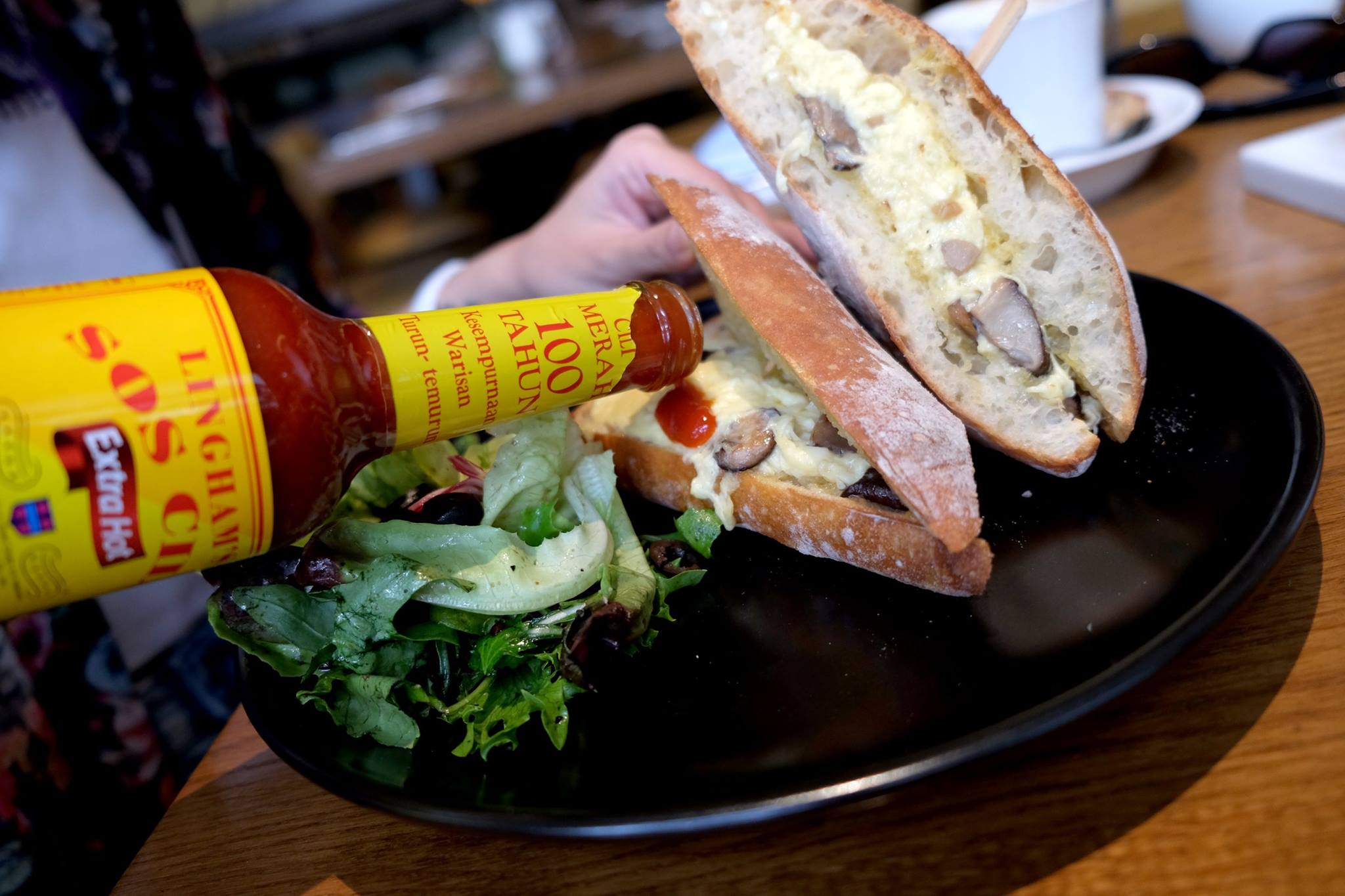
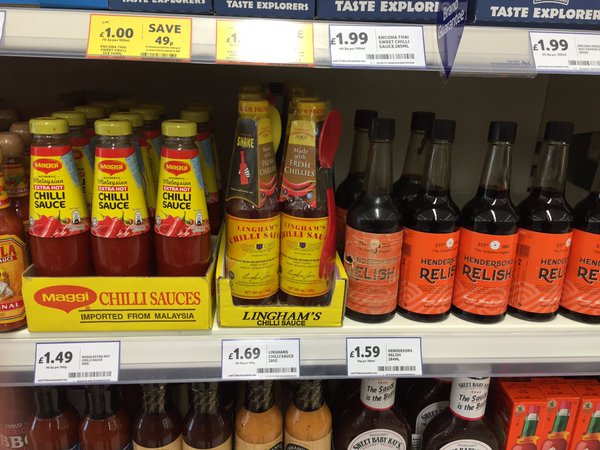
  • 12. Lingham's has existed for more than 100 years and is believed to be one of the earliest brands to enter foreign markets

    • Lingham's was founded by an Indian migrant in 1908 and it is believed to be one of the earliest brands to enter foreign markets. Later on after World War II in 1945, Lingham's was transferred to a Chinese owner but before then the sauce was even popular among the British during the colonial era for some added spice to their meals.

      Now sold in over 20 countries, worldwide distribution of Lingam's chilli sauce includes the United Kingdom, Holland, Belgium, Denmark, Finland, Sweden, Switzerland, United States of America, Canada, Australia, New Zealand, Papua New Guinea, Pakistan, United Arab Emirates, Thailand, Hong Kong, Indonesia, Japan, Kenya, Chile, Ukraine, Singapore and South Africa.
       says.com